Best Weight Rack Dumbbell Set Tips for Effective Home Workouts?
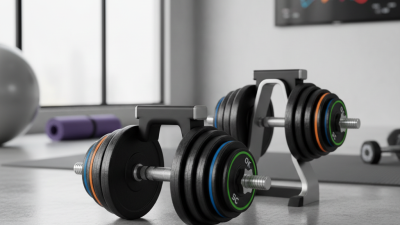
Creating an effective home workout space is essential for fitness enthusiasts. One crucial element is a Weight Rack Dumbbell Set. This setup maximizes efficiency and organization. Dumbbells are versatile. They can target various muscle groups and accommodate different training styles. However, not all dumbbell sets are created equal.
When choosing a Weight Rack Dumbbell Set, consider your fitness level and goals. Are you a beginner or an experienced lifter? You need a range of weights to progress effectively. Structure is important, too. A well-organized rack saves time and keeps your space tidy. It also reduces injury risks.
However, it’s easy to overlook the small details. The design and material of the rack can impact your experience. Some racks wobble or lack stability, making your workouts less effective. Reflect on your past choices and prioritize quality over quantity. A solid Weight Rack Dumbbell Set will enhance your home gym for the long term.
Choosing the Right Weight Rack for Your Home Gym
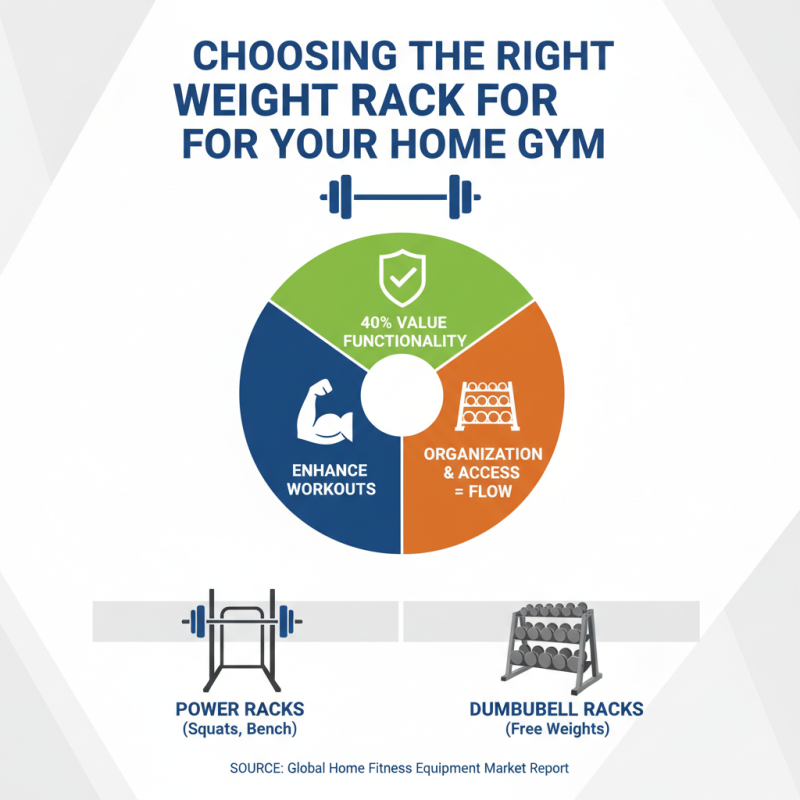
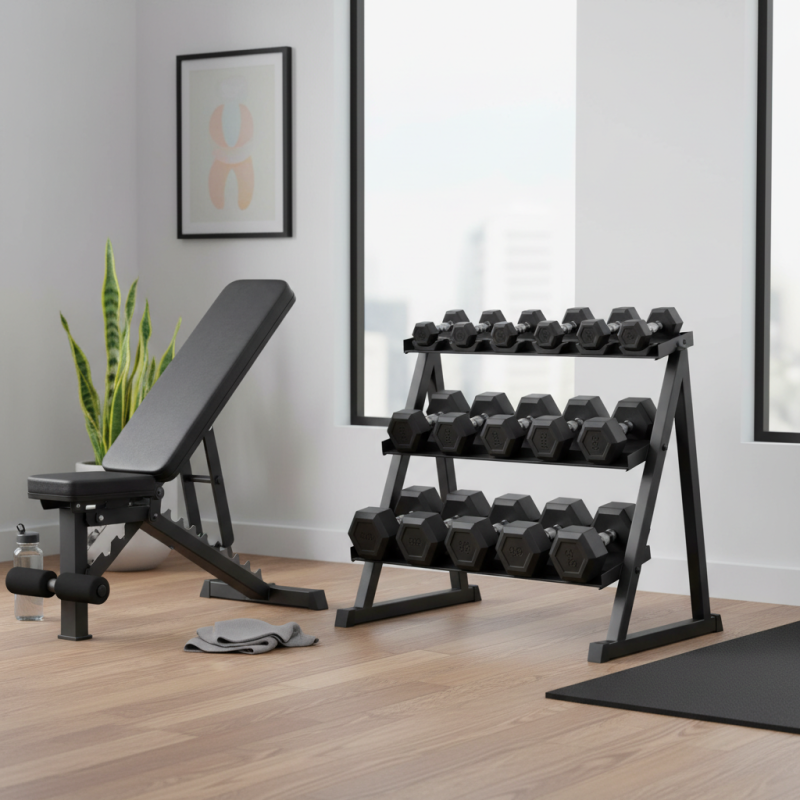
Choosing the right weight rack for your home gym can significantly enhance your workout experience. According to a report by the Global Home Fitness Equipment Market, around 40% of consumers prioritize functionality when selecting their gym equipment. A proper weight rack ensures that your dumbbells are organized and easily accessible, which is crucial for maintaining workout flow.
When selecting a weight rack, consider the space available in your home. Compact designs are ideal for smaller areas, while larger racks can accommodate more weights. Ensure that the rack's weight capacity meets your needs; some units can hold over 300 pounds of dumbbells. This factor is vital for individuals looking to progress in strength training, as escalating weight is crucial for gains.
Tip: Always secure your dumbbells on the rack after use. This practice not only helps in keeping your workout area tidy but reduces the risk of injury. Remember that a cluttered space can hinder performance.
Another important consideration is the material of the rack. Steel construction is common due to its durability. However, some racks made from lighter materials may be more portable. Reflect on your priority: durability or mobility? Each choice has its advantages and drawbacks. Acknowledge what you need versus what you want in your home gym setup.
Essential Features to Look for in a Dumbbell Set
When choosing a dumbbell set for home workouts, consider several essential features. First, the weight range is crucial. A versatile set should offer adjustable weights, allowing you to progress as you build strength. This flexibility helps you challenge yourself without needing multiple sets. Look for weights that cater to various exercises, from light curls to heavy squats.
Ergonomic design also matters. Look for dumbbells that are comfortable to grip but not too bulky. Textured handles can enhance your grip, especially during intense workouts. Buying the right weights also means considering storage. A compact rack can keep your workout space organized while maintaining easy access.
Durability is a key factor. Opt for materials that can withstand wear and tear. Plastic-coated weights may be easier on your floors but might not last as long. Reflect on your needs and workout frequency. Not all sets offer the long-term use you might expect. Take your time to evaluate; the right set can make your home workouts more enjoyable and effective.
Best Weight Rack Dumbbell Set Tips for Effective Home Workouts
Tips for Proper Weight Rack Organization and Space Saving
When organizing your weight rack, consider maximizing space and efficiency. A well-structured weight rack can prevent clutter, making it easier to maintain focus during workouts. Studies indicate that a tidy workout space can enhance motivation and performance, as 72% of athletes report improved concentration in organized settings.
Start by categorizing dumbbells by weight. This simple method allows for quick access during routines. Using vertical racks can save 40% more space compared to traditional horizontal layouts. Such organization not only saves space but also promotes safety, reducing the risk of accidents in densely packed areas.
Remember that not all spaces are the same. Some may need adjustments for unique dimensions, and solutions might be imperfect. For example, while wall-mounted racks may reduce floor clutter, they require careful planning to ensure accessibility. Test various setups to find what works best for you. Experiment with different styles and placements, recognizing that flexibility is key. There may be moments of trial and error as you learn how to best organize your workout space.
Best Weight Rack Dumbbell Set Tips for Effective Home Workouts
| Dimension |
Details |
| Weight Range |
5 lbs to 50 lbs |
| Rack Size |
40" H x 30" W x 20" D |
| Recommended Space |
6 ft x 6 ft |
| Material |
Steel & Rubber |
| Storage Type |
Vertical Rack |
| Capacity |
Up to 300 lbs |
| Adjustability |
Fixed Weights |
| Color Options |
Black, Gray, Red |
Safety Guidelines for Using Dumbbells at Home
When using dumbbells at home, safety is paramount. Ensure your workout area is spacious and clutter-free. This decreases the risk of accidents and injuries. Always wear appropriate footwear with good traction. Comfortable grip helps prevent dumbbells from slipping from your hands.
Before lifting weights, check your equipment. Inspect the dumbbells for wear or damage. A cracked handle can lead to serious injuries. Take your time with each exercise, maintaining proper form. Rushing through workouts increases the risk of strain. Listen to your body and rest when needed. Pushing too hard can result in serious setbacks.
Don’t forget to warm up properly. Stretching helps prepare your muscles for the workout. This can prevent common injuries, like muscle strains. Hydration is equally crucial. Drink water before, during, and after your session. Some people overlook this, leading to fatigue. Safety should never be compromised for intensity. Always prioritize your health!
Effective Workout Routines with Dumbbells for All Fitness Levels
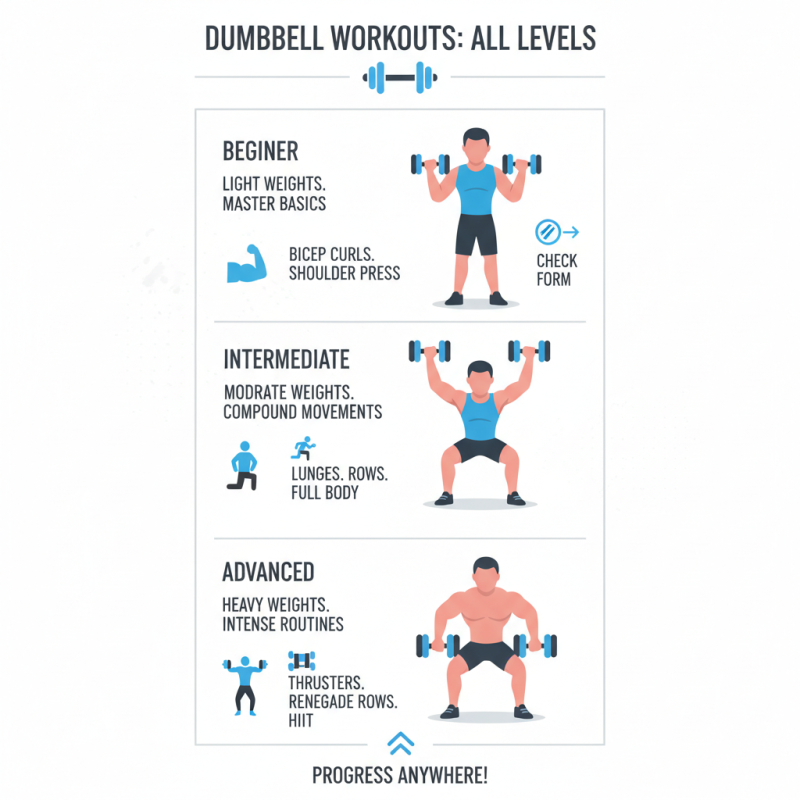
Home workouts with dumbbells can be tailored for anyone, regardless of fitness level. Beginners can start with lighter weights and focus on mastering basic movements. Exercises like bicep curls and shoulder presses help build a solid foundation. It’s important to pay attention to form. Improper technique can lead to injuries. Regularly check your posture in the mirror or use video resources for feedback.
Intermediate users may introduce compound exercises like dumbbell squats and bench presses. These engage multiple muscle groups. Varied routines keep progress interesting and effective. Consider setting small, measurable goals. Noticing improvements in strength or endurance can be motivating. Remember, it’s okay to adjust your routine based on how your body feels.
For advanced lifters, experimenting with different rep ranges and weights is vital. This challenges the body and promotes growth. Also, incorporating supersets or circuit training can elevate your workouts. However, overtraining is a risk. Take time to rest and recover. Listen to your body’s signals. Reflecting on your energy levels and muscle soreness can guide your next workout plan.