How to Choose and Use Two Adjustable Dumbbells for Effective Workouts?
Choosing the right equipment is essential for effective workouts. Two Adjustable Dumbbells stand out as versatile tools for home fitness enthusiasts. They allow you to modify weights easily, accommodating your strength levels. This flexibility is crucial when aiming for progressive overload.
Integrating Two Adjustable Dumbbells into your routine can enhance muscle growth and endurance. You can perform various exercises, such as bicep curls, squats, and shoulder presses. Each session can feel fresh and exciting, yet it requires discipline to stay consistent. Many people struggle to keep up with their regimes, often losing motivation.
Selecting quality adjustable dumbbells is vital. Pay attention to the weight range and the ease of adjustment. Some products may look good but lack functionality. Reflect on your workout goals before making a choice. It's important to remember: the right tools can only yield results if paired with dedication and effort.
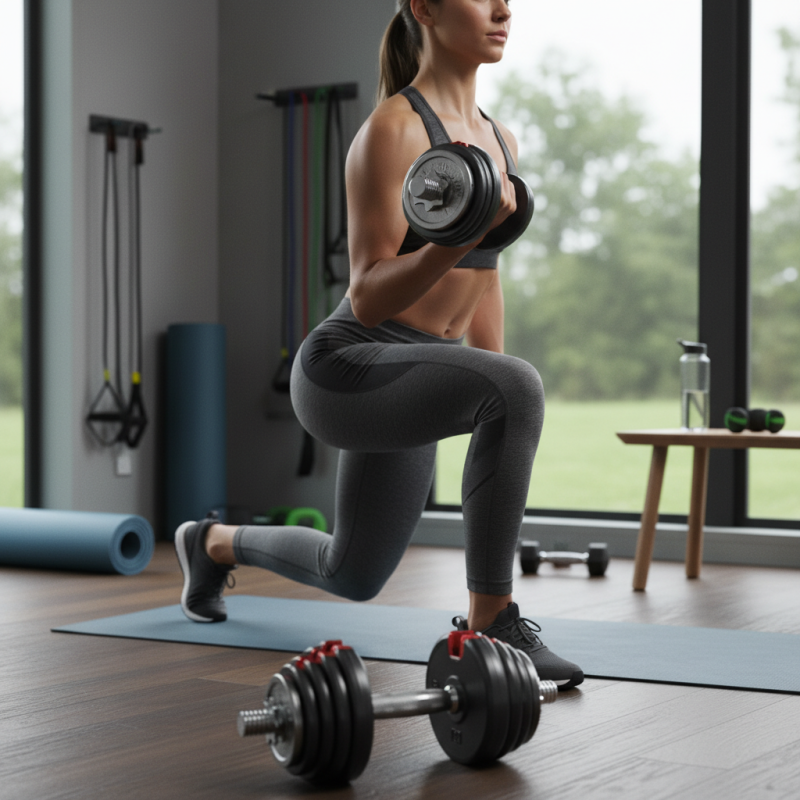
Choose the Right Adjustable Dumbbells: Key Features to Consider
Choosing the right adjustable dumbbells is crucial for effective workouts. Look for a weight range that suits your fitness level. Many people often choose weights that are too light or too heavy. This leads to unproductive sessions. A good range allows for progression and variety.
Key features include ease of adjustment. Some models allow you to change weights with a simple dial. Others may use a pin mechanism. Choose what feels comfortable and intuitive for you. Consider the size and shape as well. Dumbbells should fit well in your hands and not be cumbersome.
Tips: Always test the grip. If it feels slippery, you may lose control. Reflect on how often you'll use them. If you plan to incorporate them into daily routines, invest in quality. You want durability that lasts. Even a small scratch on a dumbbell can affect your workout experience. Keep your exercise area spacious and organized for safety and efficiency.
Understanding Weight Ranges: Optimal Resistance for Your Fitness Level
When selecting adjustable dumbbells, understanding weight ranges is crucial. Optimal resistance varies from person to person. Beginners may start with lighter weights, around 5 to 15 pounds. This range allows safe lifting while building strength. It’s essential to assess your own fitness level. Many skip this step and end up struggling.
Intermediate users often benefit from dumbbells ranging from 15 to 35 pounds. This range supports more advanced exercises. However, rushing into heavier weights can lead to injuries. Listen to your body. If you find a weight too challenging, it’s okay to step back. Weight adjustments should feel good, not painful.
Advanced lifters can opt for weights from 35 to 50 pounds or more. This could facilitate compound movements. However, even experienced trainers should be cautious. Heavy lifting demands focus on form to prevent accidents. Reflecting on your progress is vital. Are you continuously challenging yourself, or have you plateaued? Make thoughtful adjustments, and always prioritize safety in your workouts.
How to Choose and Use Two Adjustable Dumbbells for Effective Workouts?
| Weight Range (lbs) |
Optimal For |
Recommended Exercises |
Fitness Level |
| 5 - 15 |
Beginners |
Bicep Curls, Tricep Extensions |
Entry-level Fitness |
| 15 - 30 |
Intermediate |
Chest Press, Shoulder Press |
Regular Exercisers |
| 30 - 50 |
Advanced |
Deadlifts, Squats |
Experienced Lifters |
| 50+ |
Elite |
Weighted Lunges, Snatches |
Highly Trained Individuals |
Proper Usage Techniques: Maximizing Efficiency in Workouts
Choosing adjustable dumbbells offers versatility in workouts. However, mastering their usage is key for effective training. Focus on your form. This ensures you engage the right muscle groups.
Adjust the weight appropriately. Start light and gradually increase as you build strength.
When using dumbbells, try different grips. A neutral grip can help activate diverse muscles. Incorporate variations into your routine. Swapping exercises keeps your body guessing. Pay attention to your movements.
Are you straining your back? Are your elbows stable? Reflect on these aspects to improve.
Consistency is vital, but so is listening to your body. Enough rest is essential. Pushing through pain can lead to injury. Track your progress. Sometimes, you might feel stuck.
Take a break, reassess your goals, and return stronger. Adjust your weights regularly to avoid plateaus. Be mindful of your form for every rep. This approach maximizes efficiency and enhances your results.
Maintenance Tips for Longevity: Keeping Your Dumbbells in Shape
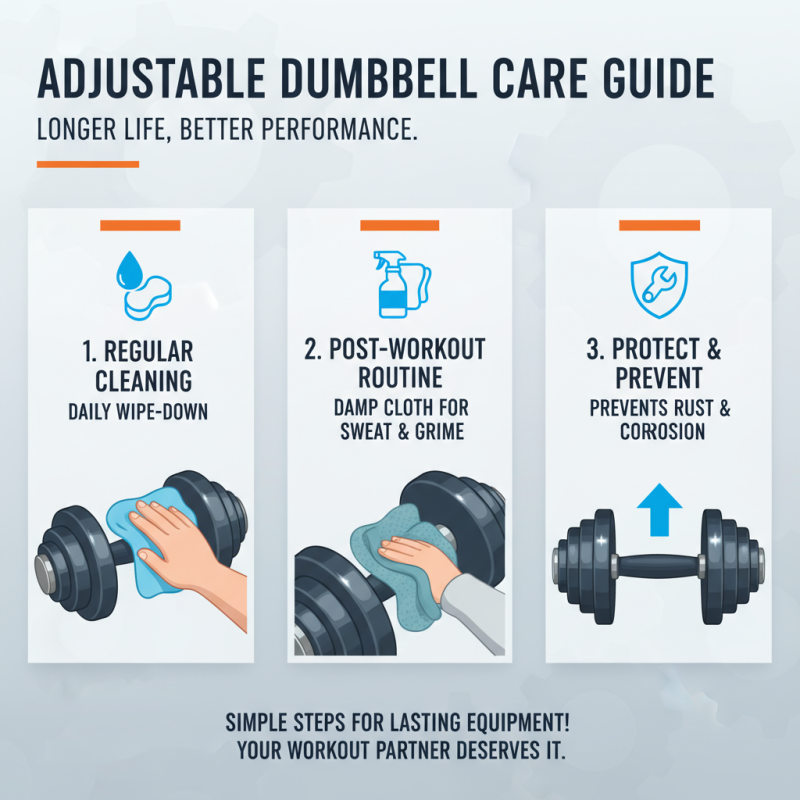
Maintenance is crucial for adjustable dumbbells. Regular cleaning is a must. After each workout, wipe down the surface. Use a damp cloth to remove sweat and grime. This simple step prevents rust and corrosion. Do it daily for a longer lifespan.
Check the adjustment mechanism often. Wear and tear can happen. Ensure all parts are functioning smoothly. If they become loose, tighten the screws. A quick inspection can save you from bigger problems later. Small issues can lead to injuries.
Store your dumbbells properly. Avoid damp areas, which can cause damage. A dry place is ideal. Use a mat or shelf to keep them off the ground. When not in use, maintain their shape. Remember, neglect can lead to deterioration. Your effort will pay off with longevity.
Safety Guidelines: Preventing Injury While Using Adjustable Dumbbells
When using adjustable dumbbells, safety is crucial. Start by examining the weights before each use. Look for any signs of wear or damage. This small check can save you from potential injury. Proper grip is essential, too. Make sure your hands are dry to avoid slipping. You might feel confident lifting heavier, but don’t skip this step.
Always use a flat, stable surface for your workouts. A shaky foundation can lead to accidents. Try to perform exercises in front of a mirror or a camera. This helps you monitor your form. Poor form increases the risk of injury, even with lighter weights. If you find yourself struggling with a lift, it’s okay to drop the weight. It’s better to reassess than to push through and hurt yourself.
Warm up adequately before your sessions. Ignoring this can lead to strained muscles. Integrate dynamic stretches into your routine. Remember, you don’t need to lift the heaviest weights right away. Listen to your body. If something feels off, stop. Reflect on your technique regularly. Continuous improvement is vital for safety and effectiveness.
Effective Workouts with Adjustable Dumbbells
This chart displays the effective weight you can use for various exercises with adjustable dumbbells, illustrating the range of weights to enhance your strength training routine safely.