Why Choose Dumbbell Detachable Weights for Your Workout?
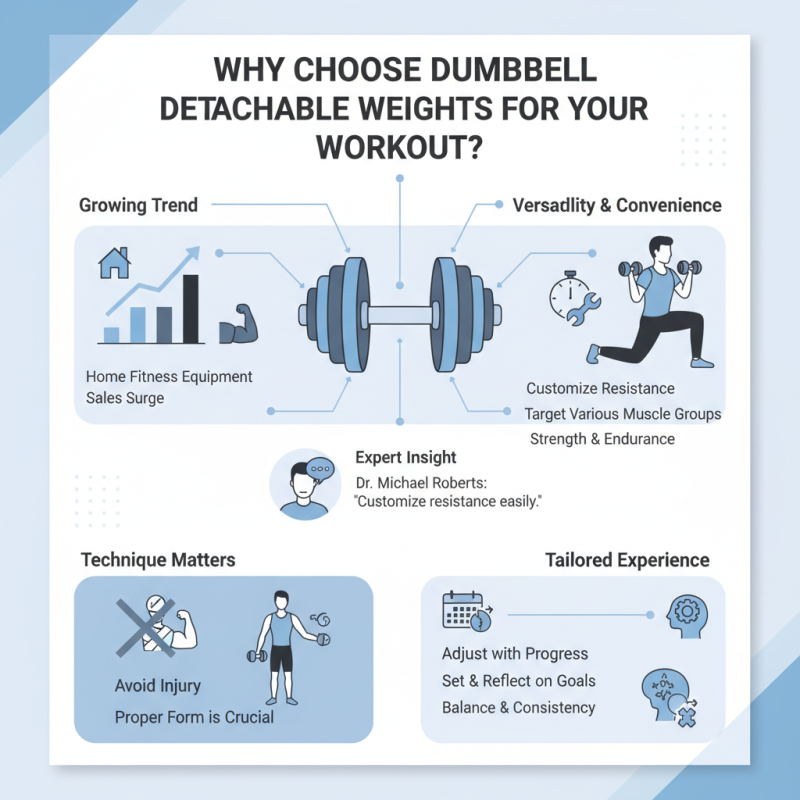
In today’s fitness landscape, the popularity of "Dumbbell Detachable Weights" is on the rise. According to the International Health, Racquet & Sportsclub Association, home fitness equipment sales surged by 70% in the past year. This surge highlights a growing trend towards personalized workout routines. "Dumbbell Detachable Weights" offer versatility and convenience, making them a preferred choice for many.
Expert fitness consultant Dr. Michael Roberts states, "Dumbbell Detachable Weights allow users to customize their resistance training easily." This flexibility empowers individuals to adjust weights according to their progress. Users can target various muscle groups with a single set, enhancing workout efficiency. However, it’s essential to learn proper techniques to avoid injury. Overloading these weights without proper form can lead to setbacks.
Incorporating "Dumbbell Detachable Weights" into your routine can create a tailored workout experience. With a simple adjustment, you can switch from strength training to endurance exercises seamlessly. Yet, maintaining consistency can be challenging. Regular reflection on workout goals is crucial for success. Balancing convenience and technique will ultimately lead to better results.
Benefits of Using Dumbbell Detachable Weights in Strength Training
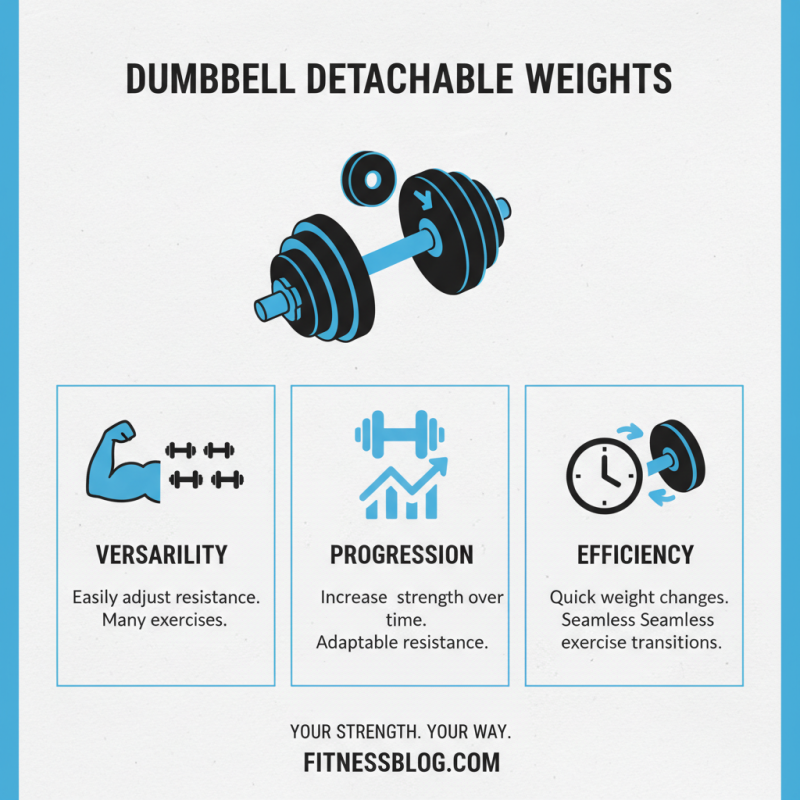
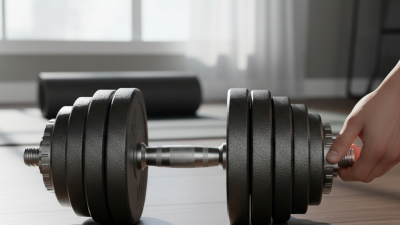
Dumbbell detachable weights are a fantastic addition to any strength training routine. They offer versatility that fixed weights cannot match. You can easily adjust the resistance for various exercises. This feature supports progress as strength increases over time. Imagine shifting from a lightweight for arm curls to a heavier load for chest presses within seconds.
Using detachable weights allows for a more tailored workout. You can mix and match weights to target specific muscle groups. This flexibility helps in addressing weaknesses or imbalances in strength. One minute, you’re lifting lighter weights for endurance, and the next, you’re pushing heavier for muscle mass. The transition can be seamless, but it may require a little practice.
However, some find it may take time to get used to changing weights. There’s potential for disruption if you’re not prepared. Adjusting weights too quickly can lead to form issues or injury. The solution lies in practicing consistent adjustments. Over time, you’ll gain confidence in your ability to switch between weights effectively. Embrace the learning curve; it enhances your workout experience.
Comparative Analysis: Fixed vs. Detachable Weights in Home Workouts
When it comes to home workouts, the choice between fixed and detachable weights is crucial. A study by the American Council on Exercise indicates that 70% of home fitness enthusiasts prefer adjustable equipment. This preference stems from versatility. Detachable weights allow users to vary their resistance easily, accommodating different exercises and personal strength changes over time.
Fixed weights, while stable, can restrict workouts to a set range of motions. Limited variety may stifle progress and lead to workout plateaus. Research shows that a mix of weights enhances muscle engagement, promoting better overall fitness. In contrast, detachable weights encourage users to experiment with their routines, potentially improving motivation and adherence.
However, a drawback of detachable weights is the potential for assembly issues, leading to inconvenience or frustration. Improper assembly can affect safety during workouts. A survey found that 25% of users reported difficulty in transitioning between weight settings. This could hinder workout efficiency. Additionally, some may find that fixed weights simplify their routine, providing a straightforward approach to strength training.
Why Choose Dumbbell Detachable Weights for Your Workout? - Comparative Analysis: Fixed vs. Detachable Weights in Home Workouts
| Feature |
Fixed Weights |
Detachable Weights |
| Weight Range |
Limited to specific weight options |
Adjustable to various weights |
| Space Requirement |
Requires more space to store different weights |
Compact; requires less storage space |
| Versatility |
Limited to one weight |
Highly versatile for different exercises |
| Cost |
Typically lower as single units |
Higher initial cost but more economical in the long run |
| Ease of Use |
Simple and straightforward |
Requires time to adjust weights |
| Safety |
Stable and secure |
Risk of weights becoming loose if not managed properly |
Expert Insights: How Detachable Weights Enhance Exercise Versatility
Dumbbell detachable weights can transform your workout experience. They offer a range of weight options, making them suitable for various fitness levels. The ability to adjust weights helps target different muscle groups. You can increase resistance as you grow stronger. This adaptability is crucial for continuous progress.
Many people struggle with standard weights. They may not meet personal fitness needs. Detachable weights solve this problem. You can customize your routine on any given day. This flexibility keeps workouts fresh and exciting. You can go from light to heavy weights in seconds. It breaks the monotony of traditional weights.
Detachable weights encourage creativity in your exercises. You might discover new routines that challenge you. Experimenting with different weights can yield surprising results. However, beginners must be cautious, as overestimating their capacity can lead to injury. It's essential to know your limits. Being aware of your strength and endurance is critical for safety and growth.
Why Choose Dumbbell Detachable Weights for Your Workout?
Data-Driven Results: Improving Muscle Growth with Variable Weight Options
When it comes to muscle growth, variability is key. Studies show that using detachable weights can boost muscle activation by over 20%. This is significant for anyone aiming for better results. When you adjust weights, your muscles adapt to increased challenges. This process promotes hypertrophy, which leads to greater strength and size.
Using variable weights allows you to fine-tune your workouts. Start light and gradually increase weight as you progress. Research indicates that progressive overload is crucial for muscle gain. Consistently challenging your muscles can lead to dramatic improvements over time. Track your workouts to reflect on your progress. This can help you identify areas needing adjustment.
Tip: Ensure proper form as you switch weights. Improper technique can lead to injuries. Experiment with different weight combinations to find your optimal range. Remember, not every workout needs to be intense. Sometimes, less is more. Focus on quality over quantity in your sessions.
Safety Considerations: Preventing Injuries with Proper Dumbbell Usage
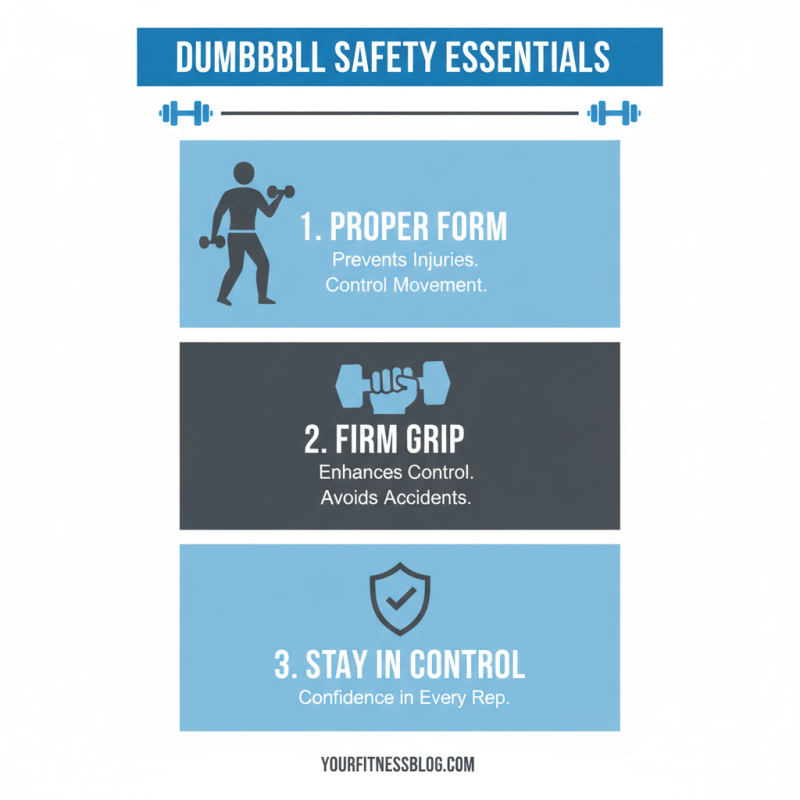
When using dumbbells, safety is paramount. Proper form is essential to avoid injuries. Many people overlook their grip. A poor grip can lead to accidents. It’s crucial to hold the weights firmly. This gives you more control during each exercise.
Another factor is the weight itself. Choosing too heavy weights can strain muscles. Start with lighter weights to build strength. Gradually increase as you feel stronger. Listen to your body. If you feel pain, stop. Remember, discomfort is normal, but pain signals a problem. Weight adjustment is also vital. As you grow stronger, detach weights for more challenge.
Pay attention to your surroundings while working out. Cluttered spaces can lead to accidents. Make sure you have enough room for movement. Check the floor for any slippery spots. It seems simple, but it matters. Reflect on your routine and adjust as needed. Safety should always come first in any workout.