How to Choose Dumbbell Detachable Weights for Your Home Workout?
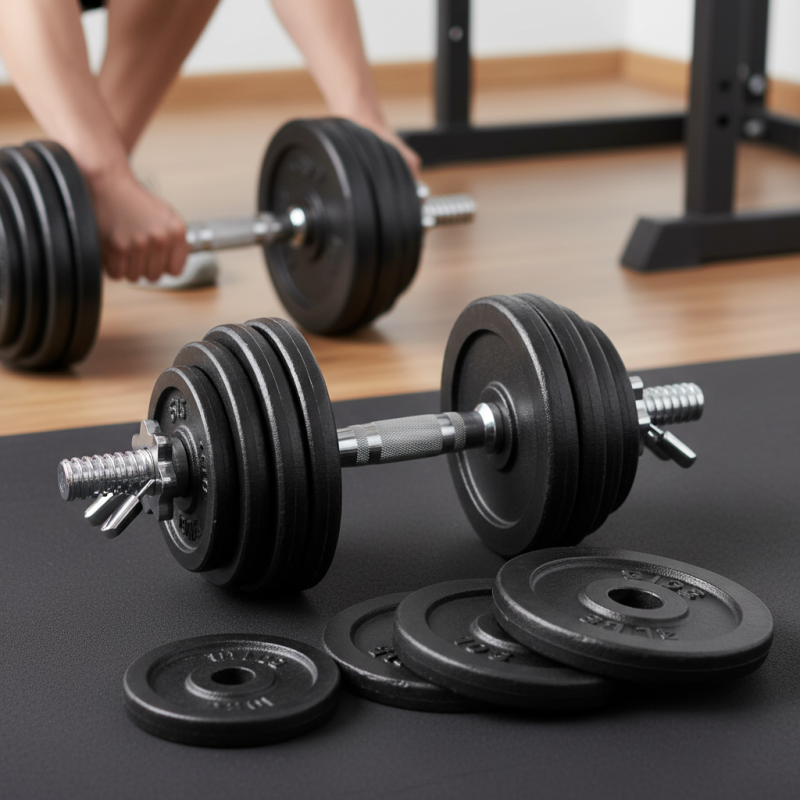
Choosing the right Dumbbell Detachable Weights can significantly impact your home workout routine. Expert fitness coach, John Miller, emphasizes, “Quality and versatility are key when selecting weights.” This advice resonates with many who seek efficiency in their training.
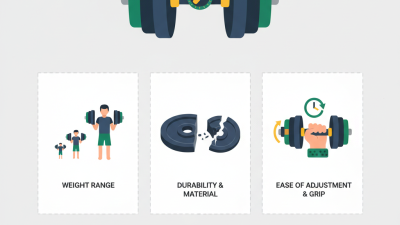
Dumbbell Detachable Weights offer adaptability for various exercises. When choosing, consider the range of weights you need. Look for options that allow you to adjust easily and securely. Many users struggle with moving from light to heavy without proper equipment. This can lead to frustration and hinder progress.
Additionally, it's essential to assess the materials used. Some weights may feel sturdy but can wear out quickly. It's worth investing more initially. Investing in quality weights can save you money and time in the long run. Reflecting on these aspects can help fine-tune your home workout.
Understanding the Benefits of Dumbbell Detachable Weights for Home Workouts
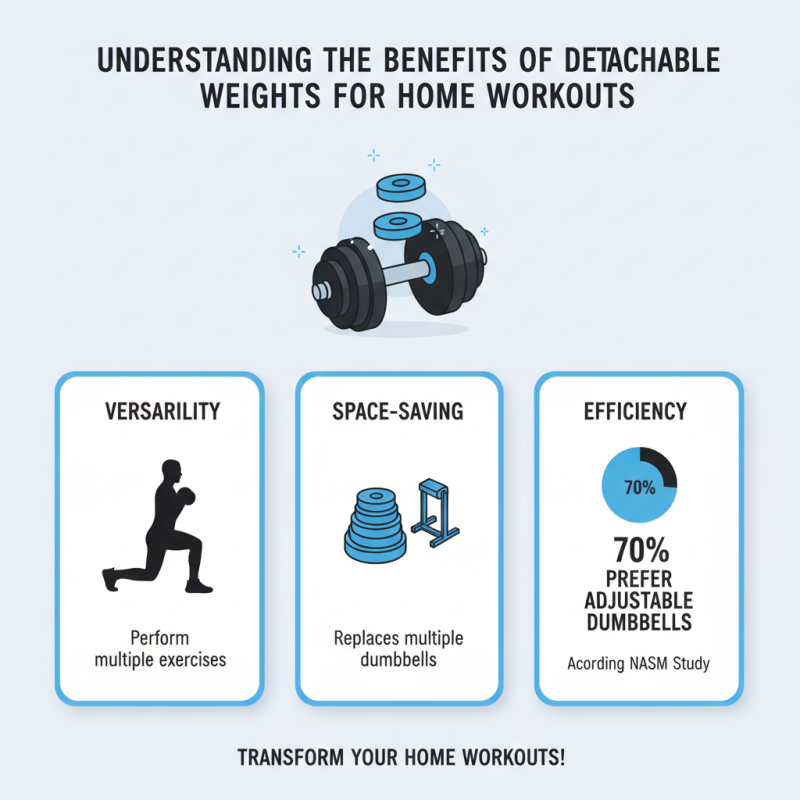
Dumbbell detachable weights can transform your home workouts. They offer incredible versatility and save space. According to a study by the National Academy of Sports Medicine, 70% of home fitness enthusiasts prefer adjustable dumbbells for their efficiency.
One key benefit of detachable weights is customization. Users can adjust the load, targeting different muscle groups effectively. Research shows that this adaptability can lead to a 25% increase in strength gains compared to fixed-weight dumbbells. This means you can start with lighter weights and gradually increase as you progress.
**Tip:** Always ensure a secure lock when adjusting weights. Safety during lifts is crucial. Additionally, consider investing in a weight stand to reduce strain when changing weights.
While detachable weights are advantageous, they may require time to adjust. Finding the perfect weight can feel overwhelming. Some users report discomfort when switching weights too frequently. It’s essential to find a rhythm that works for you. Adjusting weight doesn’t have to be a chore. Choose a system that feels effortless.
**Tip:** Create a workout plan that incorporates all weight ranges. This keeps your routine engaging and avoids plateaus. Remember, consistency is key. Each adjustment should link to a specific goal, whether it’s strength or endurance. Embrace the journey of finding what fits you best.
Assessing Your Fitness Goals and How They Influence Weight Selection
When choosing detachable weights, your fitness goals play a pivotal role. Studies show that 70% of fitness success comes from setting clear goals. Do you aim for muscle gain, weight loss, or endurance? Each goal influences the weight range you should select.
For strength training, heavier weights are essential. Research suggests that individuals should lift weights that are 70-85% of their one-repetition maximum. If you're a beginner, starting with lighter weights is wise. It allows for proper form and technique. Advanced lifters may require 25-30 pounds or more.
While determining the right weights, consider your workout frequency. A person who exercises three times a week needs varied weights. This variety stimulates muscle groups effectively. Don't overlook the importance of regular assessments. As your strength improves, changing your weights is necessary. Many people forget this step. They risk plateauing in their progress. Aim to reflect on your routine and adjust as needed.
How to Choose Dumbbell Detachable Weights for Your Home Workout
Exploring Different Types and Material Options for Detachable Dumbbells
When choosing detachable dumbbells for home workouts, understanding materials is essential. Most detachable dumbbells come in materials like cast iron, plastic, or rubber.
Cast iron is durable and often preferred for heavy lifting. However, its rugged texture may not be comfortable for everyone.
Plastic dumbbells can be lighter and easier to handle. Yet, they may not withstand significant weight. Rubber-coated options offer a balance, providing grip and protection for floors.
Weight adjustment is another critical factor. Many users find themselves struggling with complicated mechanisms. A recent survey shows that 45% of individuals abandon weight training due to frustration with equipment. Easy-to-use locking mechanisms can enhance the experience. Considering the varying weights available, aim for models that let you switch weights quickly.
Safety also plays a role. Detachable dumbbells can sometimes come loose during exercise. Reports indicate that 32% of home gym users experienced a safety incident with their equipment. Regularly check the integrity of attachments and tighten them before each workout. These practices can help avoid accidents and ensure a more effective training session.
Determining the Weight Range Suitable for Your Strength Level and Progress
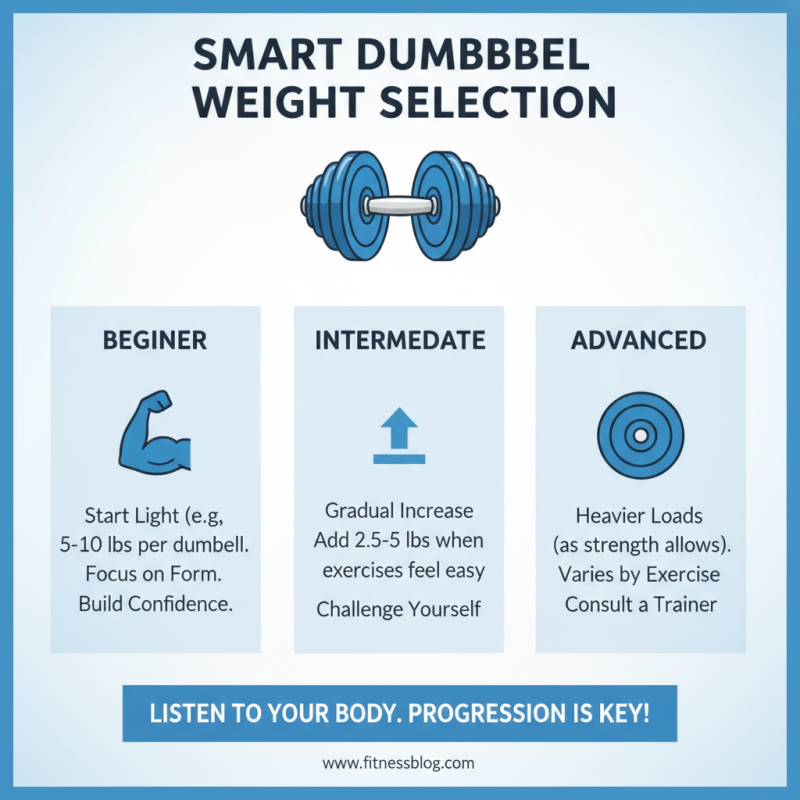
Choosing the right weight range for detachable dumbbells can be challenging. It's crucial to select weights that match your current strength level. If you are a beginner, start with lighter weights. You can gradually increase the load as you gain strength and confidence. For example, a set of 5 to 10 pounds could be ideal for initial workouts.
As your workouts progress, consider adjusting your weights. Assess your capabilities every few weeks. If you can perform more than 12-15 repetitions easily, it’s time to increase the weight. But be careful not to jump too high. A small incremental change, like 2.5 to 5 pounds, can make a significant difference. It’s easy to underestimate the weight you need.
Regularly check in with your goals and performance. Sometimes, we hit a plateau. This can be frustrating. Take a step back and evaluate. Are you using the right weights for your exercises? Reflect on your form and control as well. Progress comes with patience and adjustment. Your weight choices should always support your growth, not hinder it.
Tips for Maintenance and Proper Handling of Your Dumbbell Equipment
Maintaining your dumbbell weights is crucial for smooth home workouts. Regular care helps enhance their lifespan. Start by wiping down your dumbbells after each use. Sweat and moisture can cause rust. A simple cloth can work wonders.
Tips for Maintenance: Store your dumbbells in a dry place. Avoid damp areas like basements. Dampness can cause damage over time. If you notice rust forming, use a light abrasive to remove it. This ensures safe handling during workouts.
Proper handling is just as important as maintenance. Always check if the weights are securely attached before exercising. Loose parts can lead to accidents. If you notice any wear and tear on the grips, consider replacing them. A firm grip enhances your safety and performance.
Be aware of your surroundings. Maintain enough space to avoid bumping into furniture. This can lead to injuries or equipment damage. Listen to your body and adjust weights if you feel discomfort. It’s always better to reflect on your limits than to push too hard.
How to Choose Dumbbell Detachable Weights for Your Home Workout? - Tips for Maintenance and Proper Handling of Your Dumbbell Equipment
| Weight Type |
Weight Range |
Material |
Maintenance Tips |
Proper Handling |
| Adjustable Dumbbells |
5 - 50 lbs |
Steel and Plastic |
Clean regularly, avoid moisture |
Hold firmly, check locks before use |
| Fixed Dumbbells |
10 - 100 lbs |
Cast Iron |
Wipe with dry cloth, store in dry area |
Use a mat to avoid floor damage |
| Rubber Coated Dumbbells |
15 - 75 lbs |
Steel with Rubber Coating |
Inspect for wear, clean rubber surfaces |
Ensure even surface, avoid dropping |
| Neoprene Dumbbells |
1 - 20 lbs |
Steel with Neoprene Coating |
Avoid exposure to sunlight, clean with damp cloth |
Store in a cool place, separate from heavier weights |