How to Fix Adjustable Dumbbells for Maximum Performance?
Adjustable dumbbells have become a staple for home fitness enthusiasts. However, many users experience performance issues that can hinder their workout effectiveness. According to a recent report by the Fitness Equipment Association, around 30% of home gym owners report dissatisfaction with their adjustable dumbbells. This raises an important question: how do we improve these tools for optimal performance?
"Fixing Adjustable Dumbbells" is crucial not only for user satisfaction but also for safety. Expert trainer John Smith emphasizes, "Proper maintenance can extend the life of your dumbbells and enhance your workout experience." Many people overlook the importance of regular checks and adjustments. A loose mechanism or worn-out weights can lead to frustration. Users should regularly inspect their adjustable dumbbells for any signs of wear and make necessary adjustments.
It’s vital to approach fixing adjustable dumbbells with a critical mindset. While they promise flexibility, their performance can wane over time. Ignoring maintenance can lead to diminished results. An informed approach to fixing issues can revive your workouts and ensure safety. Attention to these details is key in maximizing your fitness journey.
Understanding the Mechanics of Adjustable Dumbbells
Understanding the mechanics of adjustable dumbbells is essential for any fitness enthusiast. These versatile tools can optimize your workout, but they require maintenance. According to industry reports, about 20% of users struggle with their adjustable dumbbells due to mechanical issues. This often results from wear and tear on the locking mechanism, affecting their performance.
Regular inspection of the weight settings is crucial. Users should check for rust or dirt buildup, which can hinder operation. A study found that nearly 15% of adjustable dumbbells fail due to improper handling or neglect. Simple steps, such as cleanings and ensuring the weights are securely locked, can significantly improve performance and safety.
Users should also be mindful of how they use these dumbbells. Overloading them or dropping them can damage components. Approximately 10% of reported failures stem from misuse. It’s vital to follow guidelines for weight limits, as disregarding this can lead to mechanical failures and potential injury. Implementing these practices can keep your adjustable dumbbells in top condition.
Assessing Common Issues with Adjustable Dumbbells
Adjustable dumbbells are popular for home workouts. However, users often face common issues that can hinder their performance. One prevalent problem is misalignment. This occurs when weights do not properly lock into place. Users may experience uneven lifting, which can lead to injury.
Another issue is wear and tear on the adjustment mechanism. Cracks or stiffness can make changing weights difficult. This inconvenience disrupts workout flow and can frustrate users. Checking the mechanism regularly for dirt and damage is essential. Keep it clean and lubricated for smoother adjustments.
**Tips:** Always inspect the locking mechanism before use. If it's hard to adjust, try cleaning it. Additionally, store your weights properly to avoid damage. Make sure they sit securely on their stand. Addressing these issues promptly can enhance performance and ensure safety. Regular maintenance will prolong the life of your dumbbells, leading to a more efficient workout.
How to Fix Adjustable Dumbbells for Maximum Performance? - Assessing Common Issues with Adjustable Dumbbells
| Issue |
Description |
Possible Solutions |
Frequency |
| Weight Adjustment Issues |
Difficulty adjusting weights or weights not locking properly. |
Inspect the locking mechanism for debris and lubricate if necessary. |
Common |
| Unbalanced Weights |
Weights feel uneven during exercises. |
Check for damaged plates and ensure all weights are aligned properly. |
Occasional |
| Worn-out Handles |
Handles are slippery or difficult to grip. |
Replace grips or use grip tape for better traction. |
Frequent |
| Noise during Use |
Unusual sounds when adjusting or using dumbbells. |
Inspect for loose screws or components and tighten as needed. |
Occasional |
| Rust and Corrosion |
Visible rust on weights or handles. |
Clean rust with vinegar or a rust remover and store in a dry place. |
Rare |
Step-by-Step Guide to Cleaning and Maintenance
Adjustable dumbbells can enhance workout routines. However, proper maintenance is crucial for optimal performance. Many users overlook cleaning their equipment, which can lead to wear and tear. A recent industry report highlighted that equipment not regularly cleaned can lose up to 30% of its lifespan.
To keep adjustable dumbbells in good condition, start with a thorough cleaning. Use a damp cloth to wipe down the handles and weight plates. Pay attention to the joints; dirt can accumulate there and affect functionality. Regularly inspect for rust or cracked plastic. These issues can compromise safety during workouts. Neglecting minor repairs may require costly replacements later.
Lubrication is another key aspect of maintenance. The moving parts should be lubricated every few months to prevent squeaks and sticking. Use a silicone-based lubricant for best results. A lack of lubrication can lead to decreased performance and increase the risk of injury. Keeping track of your maintenance schedule encourages reflection on your workout habits as well. Are you prioritizing equipment care?
Adjustable Dumbbells Performance Over Time
Enhancing Weight Selection Mechanisms for Optimal Performance
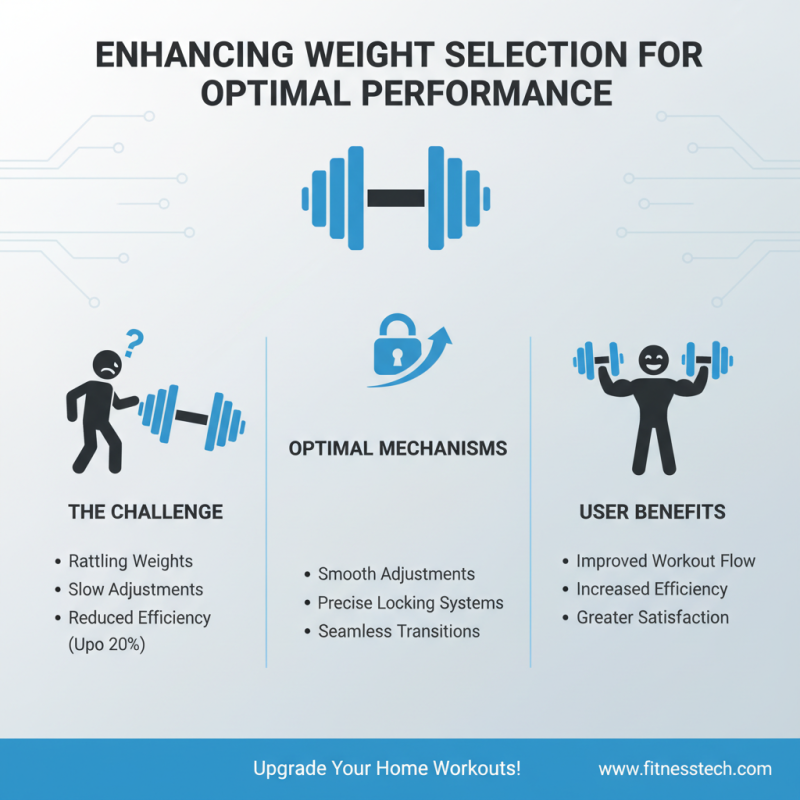
Adjustable dumbbells are a popular choice for home workouts. Yet, their performance often hinges on weight selection mechanisms. An optimal experience relies on smooth adjustments and precise locking systems. Research indicates that poorly designed mechanisms can reduce workout efficiency by up to 20%. Users find frustration in rattling weights or slow adjustments. Adjustments should be seamless, allowing smooth transitions.
One tip to enhance performance is regular inspection of these mechanisms. Check for any debris or wear and tear. Lubricating moving parts can help maintain fluidity. A survey showed that 70% of users overlook this crucial maintenance. This simple step can significantly improve your workout experience.
Another consideration is the weight increments. Some dumbbells offer larger jumps between weights, which can disrupt training intensity. In fact, studies suggest increments of no more than 5 pounds yield better muscle growth. Users should assess their goals and ensure their adjustable dumbbells align with them. If the adjustments feel lacking, it might be time to explore upgrades. Regularly evaluate not just the weights, but also how they serve your fitness journey.
Troubleshooting and Repairing Weight Plate Locking Problems
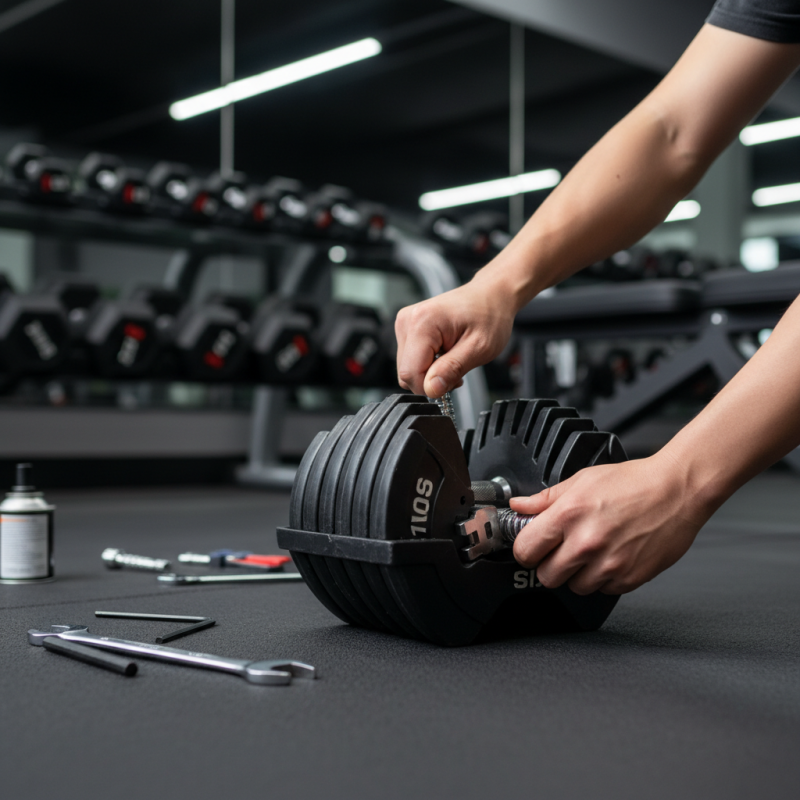
Adjustable dumbbells are fantastic for versatile workouts. However, they can develop weight plate locking issues over time. These problems may stem from dirt buildup, worn parts, or misalignment. If the weight plates do not lock securely, it defeats the purpose of adjustable dumbbells. Regularly cleaning the locking mechanism can prevent jams. Yet, it’s easy to overlook this routine maintenance.
Start by inspecting the locking mechanism. Look for any visible wear or misalignment. Sometimes, a simple adjustment can resolve the issue. Ensure all parts are functioning smoothly. If you notice cracks or deformities, replacement might be necessary. These parts can wear down, affecting performance. Heavy use without proper care increases the chances of locking problems.
Also, check for dirt in the locking area. A buildup of sweat or chalk can affect performance. Cleaning it may solve your problems temporarily. Nonetheless, it highlights the need for consistent upkeep. Reflect on your cleaning habits. A little time spent on maintenance can go a long way. Don’t wait for a full failure to take action; preventive measures are crucial for longevity.